Low Fade Haircuts & Hairstyles: 50+ Styles for 2026
A low fade haircut tapers the sides and back down to a clean, close finish just above the ears—leaving more length on top than a high or mid fade. It’s the most requested men’s haircut of 2026 because it works with almost any hair type, face shape, and setting, from the office to the barbershop chair.
This guide covers everything: how a low fade differs from a taper, drop fade, or mid fade; 50+ style variations by hair type and face shape; the exact guard sizes barbers use; and a step-by-step tutorial if you’re cutting one at home.
What is a Low Fade Haircut?
This haircut features a gradual taper that starts just above the ears and extends down toward the neckline. The hair blends smoothly into the skin at a very short length, creating a clean, natural-looking finish.
Unlike a high fade, which begins near the temples, this haircut leaves more hair on the sides for a softer transition. Its balanced appearance makes it one of the most versatile haircuts, pairing well with a wide range of modern hairstyles.
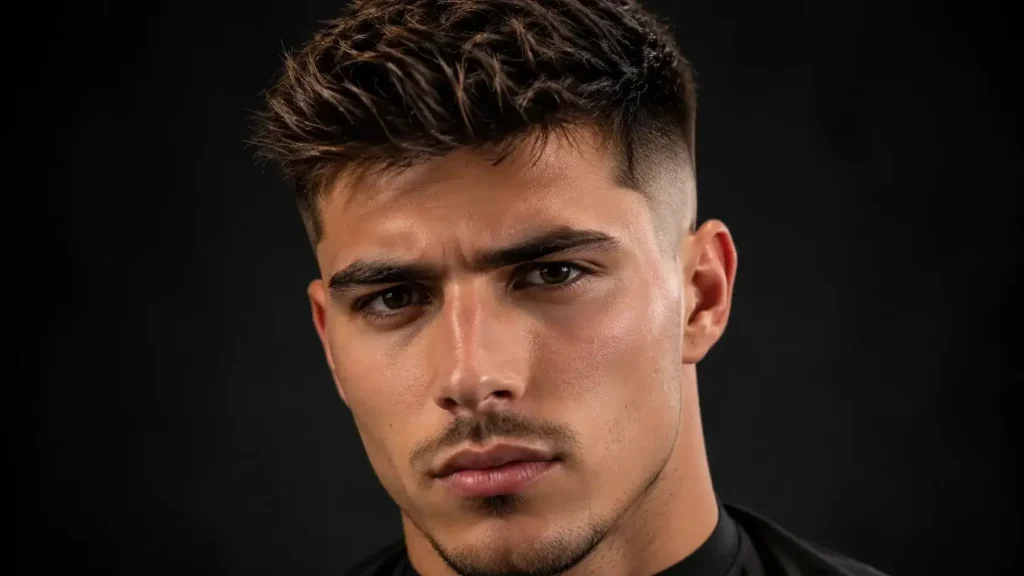
Related Article: Low Fade Basics
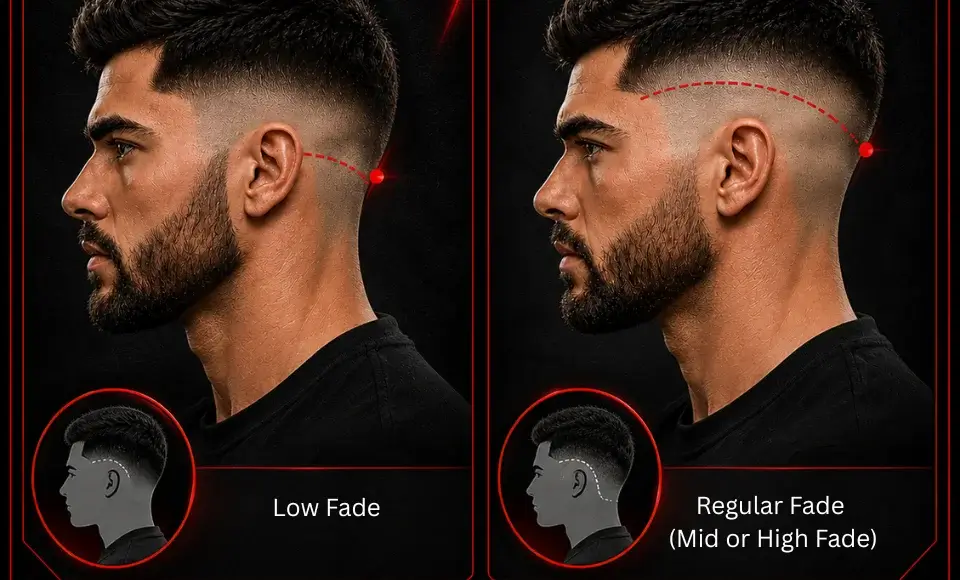
High Fade vs Low Fade
A low fade starts just above the ear and neckline; a mid or high fade starts near the temples or crown for sharper contrast. Which one suits you depends on your face shape, hair density, and how bold you want the transition to look. Read the full High Fade vs Low Fade comparison →
Low Fade and Taper
A taper gently shortens hair toward the neckline without going near-skin; a fade blends much closer to the skin for sharper contrast. Every fade is technically a type of taper — just a more dramatic one.
Read the full Low Fade vs Taper breakdown →
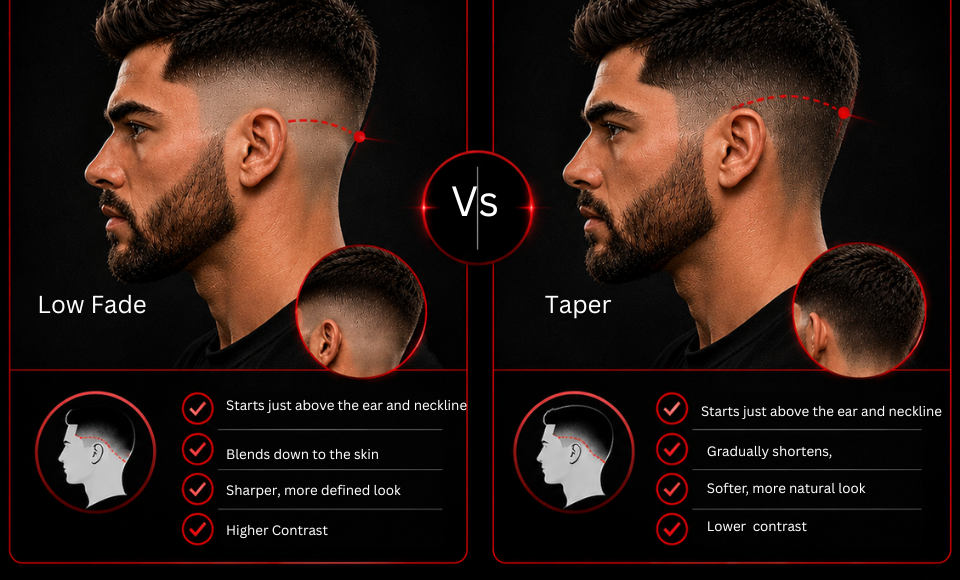
Related Article: Low Fade vs Taper
Other Names for a Low Fade Haircut
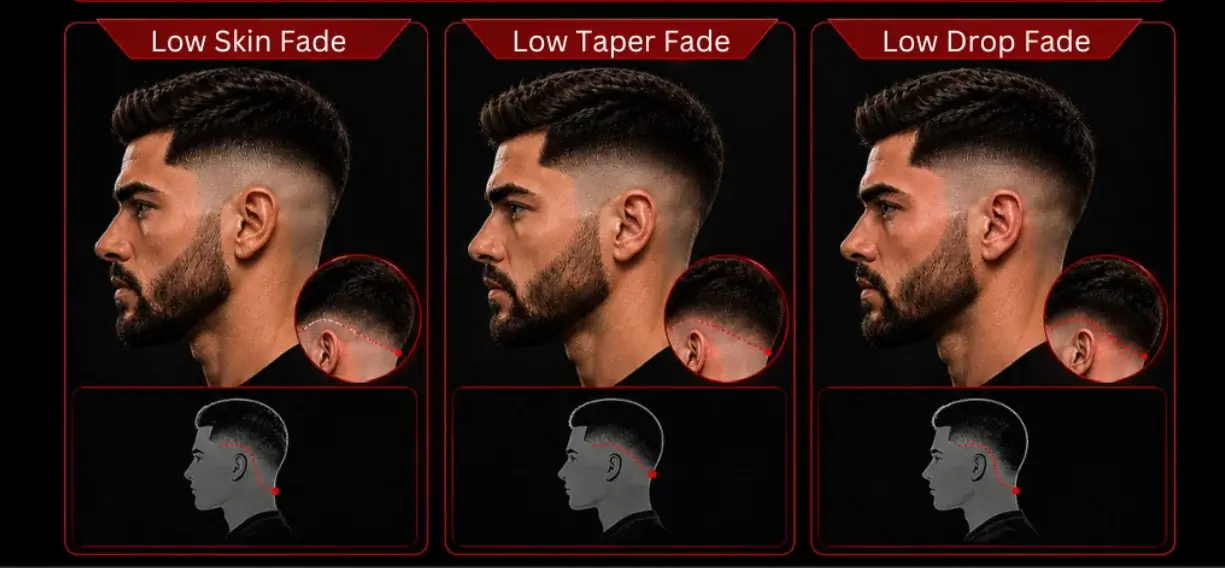
The low fade is known by several names: “low skin fade” or “low bald fade” when cut to the skin; “low taper fade” when blended gradually; and “drop low fade” when the arc curves behind the ear. You may also hear it called a “zero fade” or, in Spanish-speaking barbershops, a “degradado bajo” or “desvanecido.” Different names, same cut: a clean blend starting just above the ear.
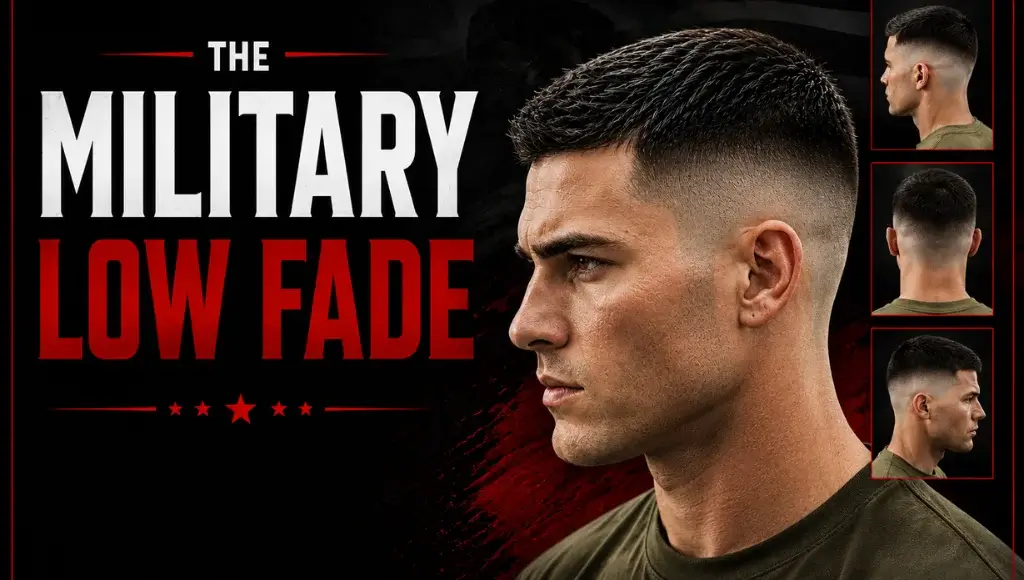
Military Low Fade Haircut
Worn as a buzz cut low fade, low fade crew cut, or USMC low fade—it delivers the regulation-ready precision of armed forces grooming with a modern barbershop edge, typically clipped to a guard 5–8 on top with a clean skin fade at the sides. From the aggressive high and tight low fade to the more civilian-friendly ivy league with low fade, this no-nonsense style suits active duty, veterans, and anyone who favors sharp, structured cuts that hold their shape with zero maintenance.
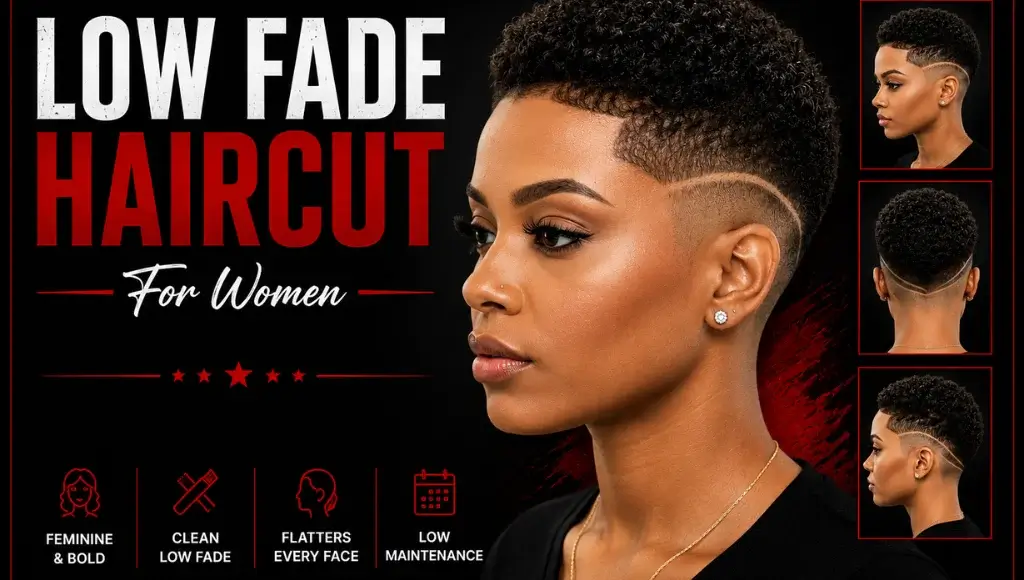
Low Fade Haircut for Women
Worn as a low fade pixie cut, cropped natural, or textured bob—it frames the face with a clean, tapered finish that blends feminine softness with sharp barbershop precision. Especially popular as a low fade black women’s haircut pairing 4c texture on top with a skin or shadow fade on the sides, it’s a bold yet low-maintenance style that flatters every hair type and face shape in 2026.
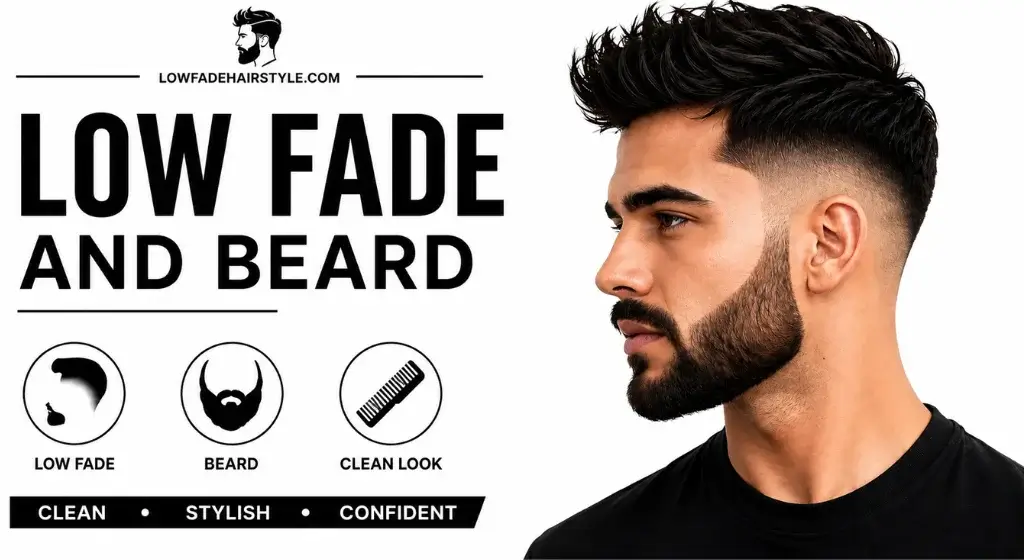
Faded sides and Beard
This haircut paired with a beard creates a balanced, stylish look by combining clean lines with added facial definition. For the best result, the beard should blend smoothly into the fade, creating a seamless transition that looks polished and well-groomed
Styling Tip: For a low fade haircut with beard, keep the beard edges sharp and ensure the sideburn area blends smoothly into the fade for a balanced look. Use beard oil or balm regularly to maintain softness, shine, and a well-groomed appearance.
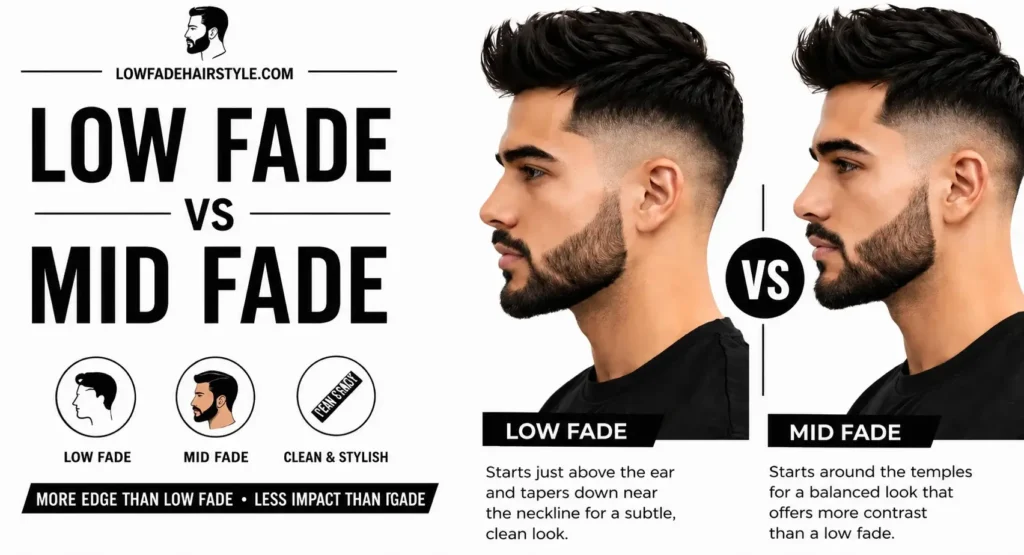
Tapered Cut vs Mid Fade
A mid fade starts around the temples—bolder than a low fade and less dramatic than a high fade. It’s the middle ground for guys who want more contrast without going all-in.
Read the full Mid Fade vs Low Fade comparison →
Low Fade vs Drop Fade
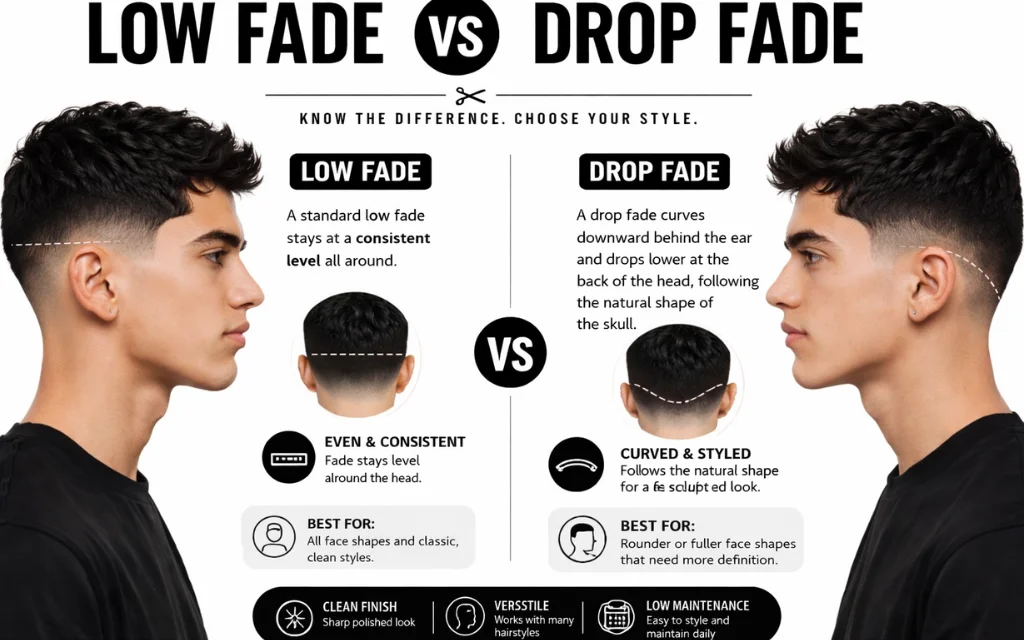
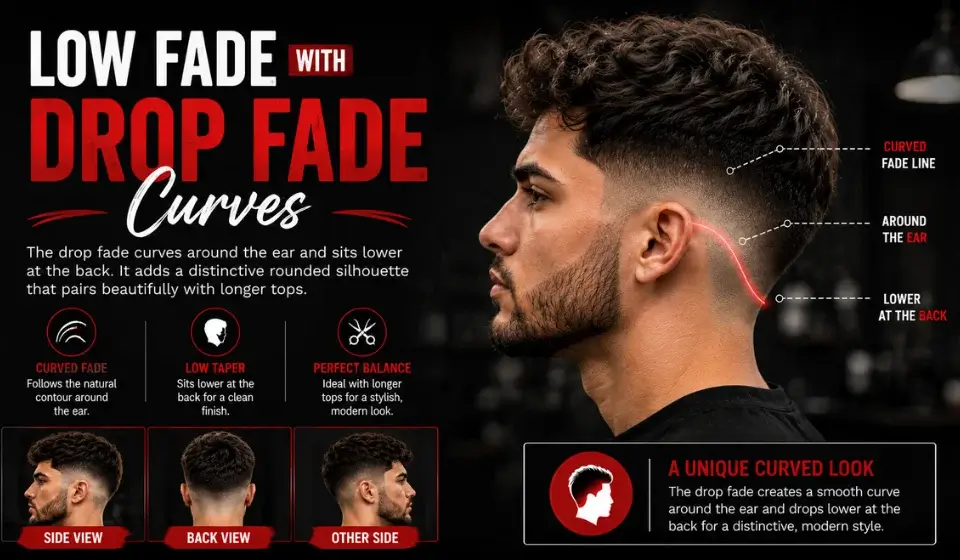
This men’s cut curves behind the ear and “drops” lower at the back of the head, following the natural shape of the skull. A standard low fade stays at a consistent level all around. The drop fade adds a more curved, stylized appearance that works well with rounded face shapes.
See what a drop fade looks like + full guide →
The History of Low Fade Hairstyle
The fade haircut originated in military grooming and later evolved through the creativity of Black barbers, who refined blending techniques and made it a cultural style statement. Today, the low fade is a timeless haircut that combines classic barbering with modern fashion, making it popular among men from all backgrounds.
Key Features of a Low Fade Haircut
The defining features are a gradual blend starting at a low point, a clean skin or a near-skin finish at the bottom, and a contrast between the shorter sides and the hair on top. The result is a structured, intentional look that enhances most hairstyles placed on top.
What a Low Bald Fade Looks Like
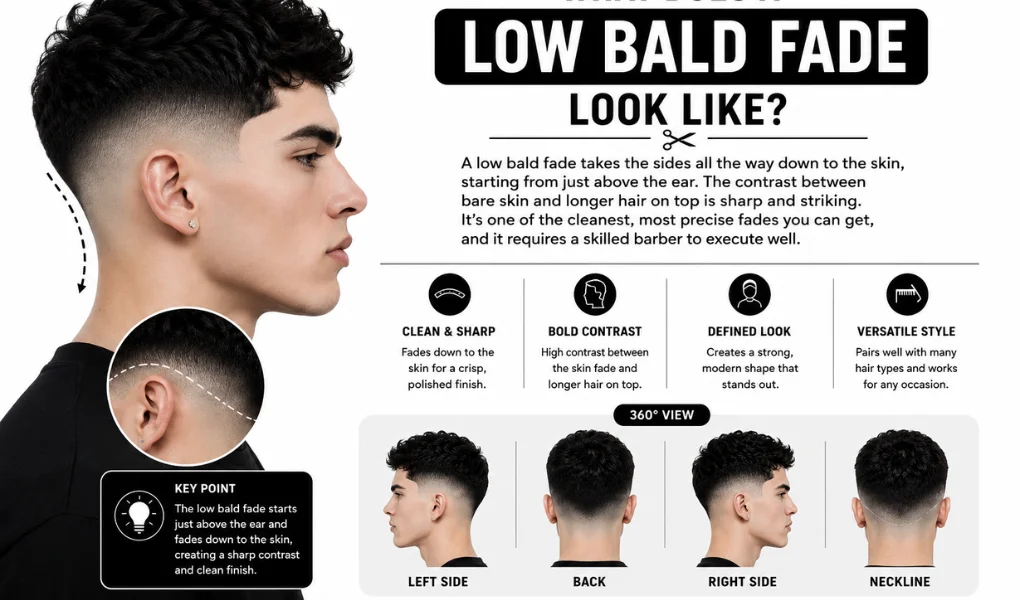
A low bald fade takes the sides all the way down to the skin, starting from just above the ear. The contrast between bare skin and longer hair on top is sharp and striking. It’s one of the cleanest, most precise fades you can get, and it requires a skilled barber to execute well.
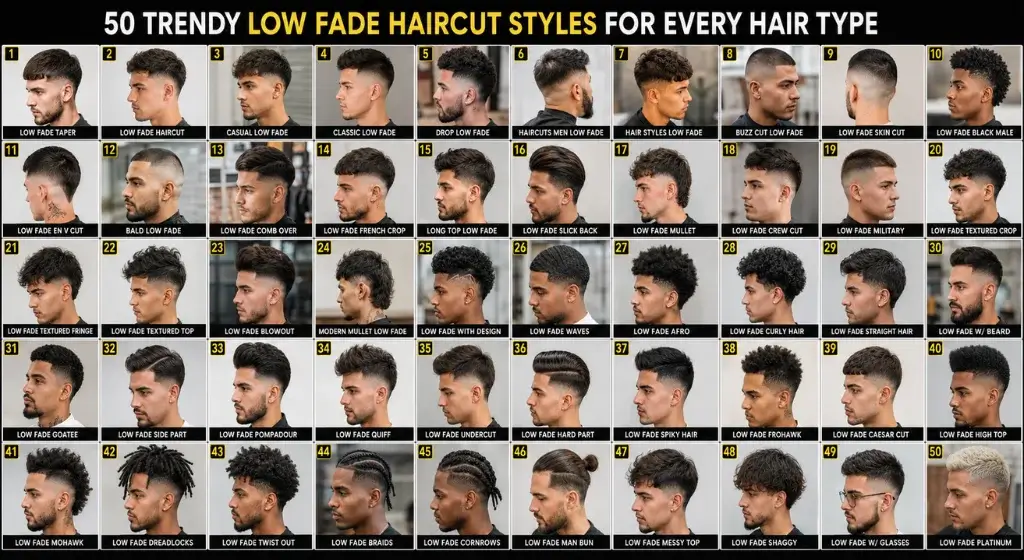
50 Trendy Low Fade Haircut Styles for Every Hair Type
One of the best things about this haircut is how many styles it supports. Here’s a breakdown of the most popular options in 2026.
Low Fade Taper
Combines gradual taper shortening with a clean fade finish for a natural, polished look.
Get the complete Low Fade Taper guide →
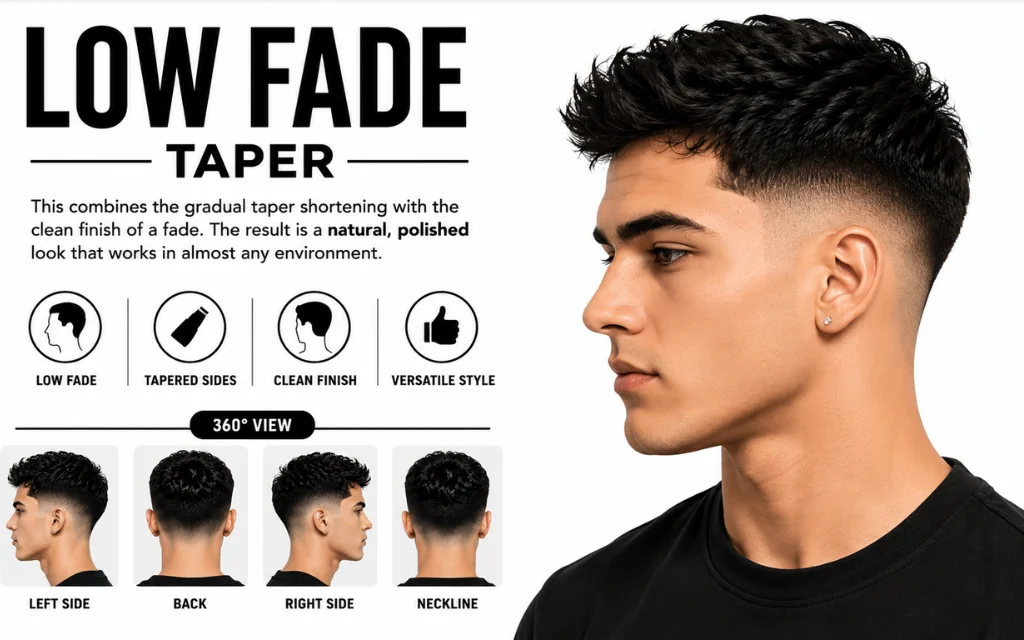
Styling Tip: For a low fade with a taper look, use a small amount of matte pomade or styling cream to add texture and control. Keep the top slightly longer for a versatile style that can be worn messy, slicked back, or naturally textured.
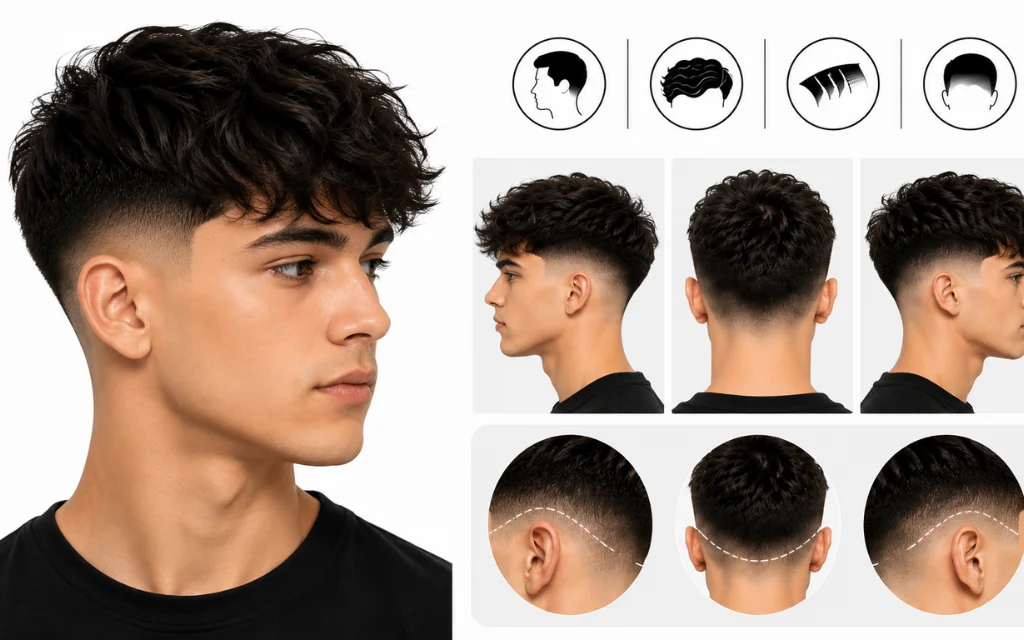
Casual Low Fade Hairstyle
For everyday wear, pairing a relaxed, unstyled top with this style is perfect. Think textured waves or a loose fringe, effortless but still put-together.
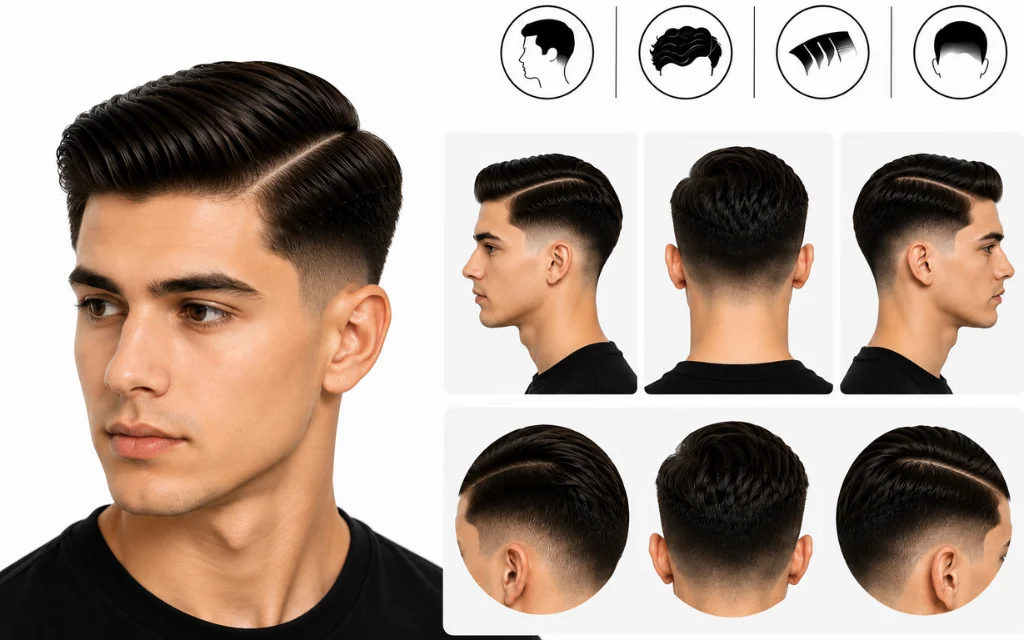
Low Fade with Side Part
A classic parted style with faded sides is timeless. This is the kind of haircut that looks sharp in a photo decades from now.
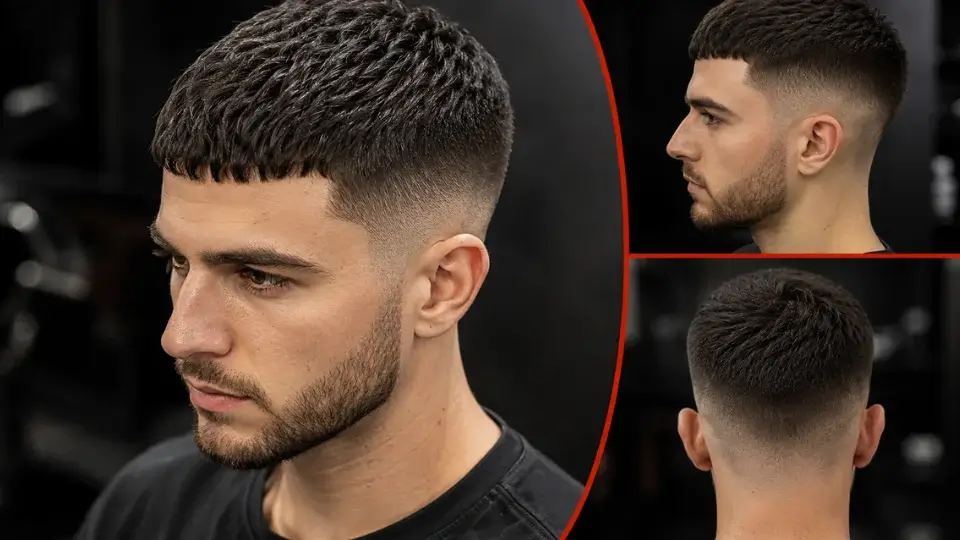
Low Fade Caesar Cut
The Caesar cut pairs short, horizontally cropped hair on top with a low fade at the sides for a clean, no-fuss look that’s stayed in style for decades. It’s one of the lowest-maintenance combinations on this list.
Low Fade with Drop Fade Curves
The drop fade curves around the ear and sits lower at the back. It adds a distinctive rounded silhouette that pairs beautifully with longer tops.
Low Fade Taper Styles for Men
For men in general, the low fade works as a baseline for hundreds of styles. From business professional to streetwear-inspired, it adapts to your lifestyle.
Low Fade with Buzz Cut
A buzz cut on top with faded sides is one of the cleanest, lowest-maintenance haircuts you can get. It’s military-inspired but entirely modern.
Read the full Low Fade with Buzz Cut →
Low Skin Fade Haircut
This takes the fade all the way to bare skin, creating a sharp, high-contrast look. It’s bold, clean, and works best with a strong hairline.
Styling Tip: For this cleaner haircut, keep the sides and neckline well-maintained while using a lightweight styling product on top. Choose matte clay for a textured natural look or pomade for a sleek, polished style that keeps your haircut sharp throughout the day.
Low Fade V-Cut Neckline
This style features a V-shaped neckline at the back, creating a distinct point rather than a rounded finish. It’s a subtle detail that adds a custom feel to the cut.
Low Fade with Comb Over
The comb over with this haircut is a staple of modern men’s grooming. Hair on top is swept to one side, creating a sleek, structured look that’s equally at home in boardrooms and bars.
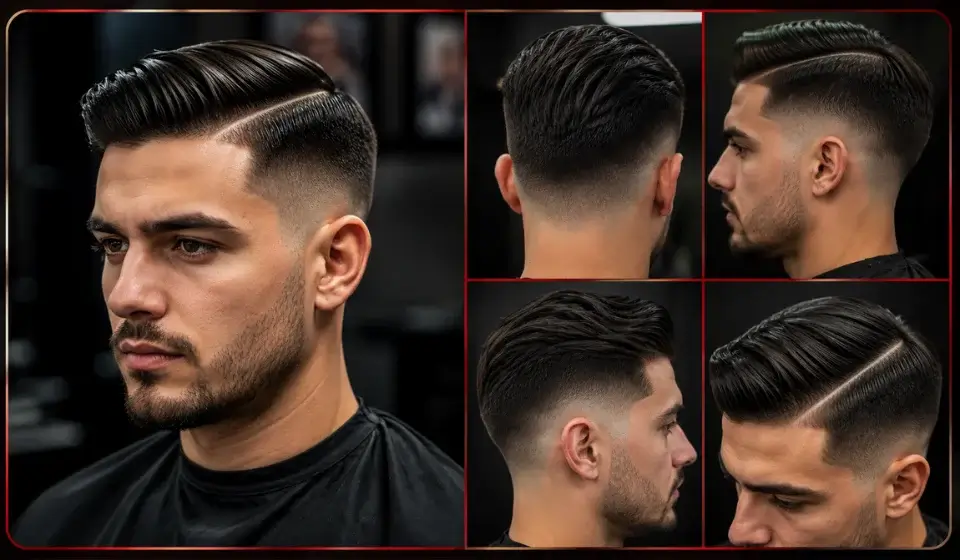
Low Fade with Long Top
Keeping significant length on top while fading the sides creates maximum contrast. This works well for men who want to maintain some length but still enjoy a clean, structured base.
Styling Tip: For this haircut with a long top, apply a small amount of styling cream, clay, or pomade to add control without weighing down the hair. Use a blow dryer to create volume and direction on top, while keeping the faded sides clean for a sharp contrast.
Low Fade with Slickback
Slicking the hair back with pomade or gel over this haircut creates a powerful, sophisticated look. It’s a go-to for formal events or men who prefer a put-together aesthetic.
Low Fade with Crew Cut
A crew cut with this style is practical, sharp, and universally flattering. The top is uniform in length, the sides fade cleanly, and the result is a no-fuss cut that always looks intentional.
Low Fade with Textured Crop
The textured crop adds choppy, disconnected pieces to the top, sitting above a clean fade. It’s one of the most popular cuts among younger men right now because it looks effortlessly stylish.
Low Fade with Textured Fringe
A fringe that’s been texturized and slightly ruffled pairs perfectly with a low fade. It adds personality and movement to a cut that might otherwise feel too structured.
Low Fade with Textured Top
Adding texture to the top through point-cutting, razoring, or product application adds visual interest to the style. It’s a simple upgrade that makes a big difference.
Low Fade with Blowout
The blowout style features hair on top blown outward and upward for maximum volume. Paired with a low fade, it creates a larger-than-life look with a clean base.
Modern Mullet with Low Fade
This takes the classic mullet and strips away the dated parts. The sides are faded, the top is styled forward or to the side, and the back tapers into a controlled length. It’s one of the trendiest cuts of the year.
Styling Tip: To enhance this haircut with a textured top, use a small amount of matte clay or texture paste and work it through the hair with your fingers. Avoid heavy products that flatten the texture; a natural, slightly messy finish creates the best modern look.
Low Fade Haircut Designs
Adding a shaved design, a geometric pattern, a line, or even a logo to the fade is a creative way to personalize the cut. This is where barbering becomes art.
Low Fade with Curly Hair
Curly hair and this haircut are a natural match. The fade provides structure and definition, while the curls on top add personality and volume. This combination works for 2A waves all the way through tight 4C coils.
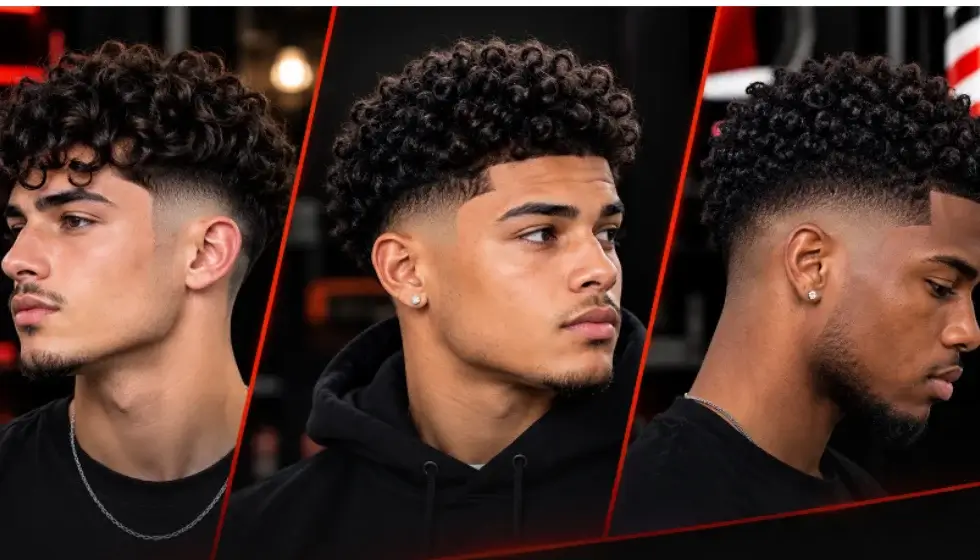
Low Fade with Waves
Combining a low fade with 360 (or 180) waves is one of the most iconic looks in men’s grooming. The fade keeps the sides sharp and defined, while consistent brushing and a durag build a deep, rippling wave pattern on top.
Low Fade with Mohawk
A fohawk or full mohawk on top with this haircut on the sides creates a dramatic, high-energy look. The fade softens the overall silhouette just enough to keep it wearable.
Low Fade with Messy Fringe Hair
A messy fringe swept forward over this haircut has a casual, lived-in quality that looks great without much effort. It’s popular among younger men who want style without overthinking.
Undercut Low Fade Haircut
The undercut disconnects the top hair from the sides with a clear, defined line. When that line meets a low fade, the contrast between the two sections is dramatic and intentional.
Styling Tip: For an undercut low fade haircut, keep the longer top section well-conditioned and use a medium-hold pomade or styling cream to control the shape. Style the top with a comb for a sleek finish or add texture with your fingers for a more modern, relaxed look.
Low Fade with a Modern French Crop
The modern version of the French crop features a more textured fringe, skin fade sides, and sometimes a disconnected parting. It’s a clean, contemporary look that photographs extremely well.
Low Fade with Faux Hawk
The faux hawk channels mohawk energy without the full commitment. Hair in the center is styled upward while the sides are faded, creating a bold center ridge.
Low Fade with Pompadour
The pompadour sweeps hair upward and backward at the front for a dramatic, voluminous look. Paired with this haircut, it’s one of the most powerful men’s hairstyles you can wear.
Low Fade with High Top
The high-top flat fade is deeply rooted in Black American style history. The hair on top is grown out and shaped into a flat, elevated platform. A low fade grounds the look with a clean base.
Low Fade with Edgar Cut
The Edgar cut features a sharp, horizontal fringe with straight-across bangs. Combined with this haircut, it’s a bold, clean cut that’s especially popular in Latino communities.
Styling Tip: For a Low Fade Edgar Cut, keep the front fringe clean and precisely shaped by using a light styling cream or matte paste for control. Regular trims are essential to maintain the sharp straight-across bangs and the fresh fade contrast.
Low Burst Fade Style
The burst fade radiates outward from behind the ear, creating a semicircle shape. It’s a soft, curved alternative to a straight fade that adds movement to the silhouette.
Low Fade with Blonde Hair
Blonde hair against this haircut creates a high-contrast look that’s striking without being loud. Whether it’s natural blonde, highlights, or bleached, the fade gives it a sharp finish.
Low Fade with Comma Hair
The comma hairstyle features a curved fringe that sweeps to one side like a comma shape. With this haircut underneath, it has a Korean-inspired aesthetic that’s become globally popular.
Low Fade with Fluffy Hair
Fluffy, voluminous hair on top, often achieved through blow-drying, pairs with this haircut for a look that feels light, airy, and youthful.
Low Fade with Quiff
The quiff stands up at the front and sweeps back, creating height and forward momentum. With this haircut, the structure of the quiff is balanced by the clean sides.
Low Fade with Two Block
The two-block is a Korean-inspired style with longer hair on top and closely cropped or faded sides. This haircut gives the underneath section a precise, modern finish.
Low Fade for the Office: Professional Styling
For the office, this haircut with a neat side part, comb over, or slick back communicates that you take your appearance seriously without looking like you tried too hard.
Trendy Low Fade Hairstyles
In 2026, the trending combinations include textured crops, comma hair over a clean fade, comma hair, burst fades, and modern mullets. These styles are everywhere, on social media, in salons, and on athletes.
Fade Haircut with Flat Top
A throwback with modern polish, the flat top squares off the hair on top into a level plane, while the low fade underneath keeps the sides from competing for attention. It’s bold, architectural, and hard to miss.
Styling Tip: For a low fade flat top, use a flat-top comb and clippers to square the edges, then set with a strong-hold pomade or wax so the top holds its shape through the day.
Low Fade with Curtains
Curtain fringe, center-parted and swept to both sides, softens the low fade underneath for a relaxed, slightly retro look that’s been trending hard again in 2026. It works especially well on straight or slightly wavy hair.
Fade Haircut with Wolf Cut
The shaggy, heavily layered wolf cut gets a cleaner base with a low fade, toning down the texture on top just enough to keep the whole style from looking unkempt.
Fade Haircut with Perm
Adding a perm on top gives straight hair natural-looking curls or waves, which then contrast beautifully against the smooth low fade below. It’s a popular way to add texture without committing to a fully curly grow-out.
Low Fade with a Short Spiky Top
Gelled spikes on top paired with a low fade bring an energetic, youthful edge to the cut. It’s simple to style day to day and works well for men who want something low-effort but still eye-catching.
Low Fade Flow Haircut (Athletic Style)
Popularized by soccer players and athletes, the “flow” leaves the top long enough to move naturally, often swept back or to the side, while the low fade keeps the sides sharp. It’s become one of the most searched athletic-inspired low-fade styles.
Low Fade Grooming Choice of Haircut for Different Hair Lengths
Hair length plays a major role in shaping the look of this haircut. A shorter top gives a clean, minimal style, while a longer top adds more personality and styling flexibility, with the fade blending everything smoothly.
The best part is that this style works well with all hair lengths. Whether it’s a cropped cut or longer hair on top, the faded sides create a sharp, structured base that keeps the overall style balanced and intentional.
Fade Haircut with Short Hair on Top
Short hair on top keeps things minimal and easy to maintain. A simple buzz or crop over this haircut is one of the lowest-maintenance combinations you can choose.
Fade Haircut with Long Hair on Top
Longer hair on top gives you more styling options: slick back, man bun, braids, or loose and natural. This haircut provides a clean frame regardless of what you do with the length on top.
Low Fade with Shoulder-Length Hair
Shoulder-length or near-shoulder hair on top with faded sides is an increasingly popular look. It leans into a more free-spirited aesthetic while the fade adds some structure to the overall picture.
Best Low Fade Haircuts by Hair Type
The best of this haircut depends on your natural hair type, whether it’s straight, wavy, curly, thick, or fine. It can be customized to enhance your texture while keeping the overall look clean and stylish.
Since the fade starts lower on the head, it creates a balanced contrast that suits many styles. Choosing the right variation improves manageability, adds definition, and makes daily styling easier.
Low Fade for Straight Hair
Straight hair shows fade blending beautifully, since every detail is visible. Classic cuts like the comb over, side part, and slick back all look especially sharp with straight hair.
Low Fade for Afro Hair
This haircut works as a shaping tool for afro hair, giving it clean edges and a defined silhouette. Many men with afros use the fade to create a precise, artistic shape.
Low Fade for Wavy Hair
Wavy hair sits between straight and curly in terms of texture, and this haircut suits it naturally. The waves on top have enough texture to create visual interest without needing much additional styling.
Low Fade for Thick Hair
Thick hair can sometimes look heavy or overwhelming. This haircut removes bulk from the sides while letting the top retain its natural density, creating balance rather than chaos.
Low Fade for Thin Hair
Thin hair looks surprisingly good with a low fade because the shorter sides create the illusion of more volume on top. Adding texture through product or styling further enhances this effect.
Low Fade for Receding Hairlines
For men dealing with a receding hairline, this haircut with a shorter top or a Caesar cut minimizes the contrast between the hairline and the rest of the hair. It’s a smart, confidence-boosting choice.
Low Fade for 4C Hair
4C hair is the tightest, most coiled curl pattern; it looks powerful over this haircut. Whether you’re growing out a high top, maintaining a cropped look, or shaping an afro, the fade provides clean definition at the base.
Locs, Braids & Dreads
A low fade with braids, locs, or dreads keeps the sides sharp and clean while letting your natural texture and length take center stage on top—making it one of the most requested combinations in the barbershop. Whether you’re wearing cornrows, twists, or a low fade afro, a low skin fade on the sides frames your style with definition without overpowering it.
Asian Hair
Asian hair—typically thick, straight, and dense—contrasts beautifully against a low fade, making styles like the taper low fade, two-block low fade, and low fade Korean style some of the sharpest looks you can walk out of a barbershop with. A low skin fade on the sides instantly manages bulk and frames textured top styles like a low fade fringe, textured crop, or modern mullet with clean, precise definition.
Low Fade Men’s Hair
This haircut has become a defining element of modern men’s grooming. It signals that a man cares about his appearance without being high-maintenance about it.
It bridges the gap between casual and professional, making it the ideal cut for men who move between different environments throughout their week.
Long Low Fade Buzz Cut
A longer buzz cut, somewhere between a standard buzz and a crop with this haircut, is a practical, clean option. It requires minimal product, dries fast, and still looks polished.
How to Style Low Fade Hair
Styling this haircut focuses mainly on the top and the product you choose. The sides are already clean, so the top defines your personal style.
Product choice changes the final look completely. Matte clay gives a natural texture, while pomade adds shine and structure; use a small amount first and build if needed.
How to Maintain This Style Clean and Sharp?
Regular barber visits are essential for maintaining this haircut, as it grows out quickly within a few weeks. A touch-up every 2–4 weeks keeps the cut looking sharp and intentional.
In between appointments, keeping the neckline clean with a small trimmer helps maintain the shape. Even light at-home edge maintenance can significantly extend the life of the haircut.
Style Low Fade with Textured Volume
To add volume and texture, start with slightly damp hair. Apply a small amount of sea salt spray or light mousse, then scrunch and air-dry for natural texture.
For more defined volume, use a hair dryer and a round brush to lift the roots as you dry. Finish with a flexible-hold product, such as a texture paste or matte clay.
Best Products for Styling these Hairstyles
The right product depends on the look you’re going for. For a polished, shiny finish, pomade is your best friend. For a matte, textured look, use clay or paste. For volume with flexibility, try a light mousse or sea salt spray.
Avoid heavy products if you have fine or thin hair. They’ll weigh things down, making the cut look flat rather than lifted.
Low Fade Haircut Tutorial
Watch this step-by-step haircut tutorial to learn how professional barbers create a clean blend and sharp finish. The video covers the essential techniques, tools, and styling methods needed to achieve this haircut perfectly at home or in the barbershop.
Step-by-Step: Low Fade at Home
Follow this detailed guide to learn how to create a clean and smooth low fade haircut using the right tools and techniques. These step-by-step instructions will help beginners understand the blending process and achieve a professional-looking fade at home.
Step 1: Prepare Your Hair
- Comb your hair in its natural growth direction.
- If you have a beard, separate the beard area from the hair area.
- Use clippers with an adjustable lever.
Step 2: Create the First Guideline
- Find the middle of the C-cup (temple) area.
- Set the guideline about 2 inches below the occipital bone (the bone at the back of your head).
- Open the clipper lever.
- Use a light touch to create the first guideline.
- This guideline is the foundation of the entire fade.
Step 3: Remove Bulk with a #3 Guard
- Attach a #3 guard.
- Create a guideline about three fingers wide.
- Use a scooping motion to remove bulk and establish the fade shape.
Step 4: Clean the C-Cup and Bald Area
- Line up the C-cup area with trimmers.
- Use trimmers to create the bald section below the first guideline.
- No shaver is necessary for this tutorial.
Step 5: Create the “Half” Guideline
- Open the lever (no guard attached).
- Create a guideline approximately one finger thick above the bald section.
Step 6: Blend the First Guideline
Use the Middle → Open → Closed lever method:
- Start with the lever halfway open.
- Attack the middle of the guideline.
- Open the lever more and work higher.
- Close the lever and work lower.
- Repeat until the line disappears.
Step 7: Use a #1 Guard (Lever Open)
- Create another one-finger-thick guideline.
- Scoop out while moving upward.
- This establishes the next section of the fade.
Step 8: Soften the #1 Guideline
Use the Closed → Open method:
- Start with the lever closed.
- Gradually open the lever while moving higher.
- Do not fully erase the line yet.
Step 9: Use a 0.5 Guard
- Blend the remaining line created by the #1 guard.
- Work carefully within a small area.
- Use the corners of the clipper for precision.
- Gradually open the lever as you move upward.
Step 10: Use a #2 Guard (Lever Open)
- Soften the transition between the #3 guard area and the fade.
- Start with a 2.5 setting (2 guard + open lever).
- Use the Open → Closed method.
Step 11: Use a 1.5 Guard
- Blend the final transition.
- Use clipper corners for detail work.
- Continue the Closed → Open lever method until the fade looks smooth.
Maintenance and Upkeep for Low Fade Haircut
This haircut requires regular trims every 2–3 weeks to keep the fade sharp and maintain its clean appearance. Use quality hair products and proper grooming techniques to keep the top styled, healthy, and polished.
Daily Maintenance Tips
Wash your hair every 1–2 days depending on your hair type and activity level. Use a gentle shampoo and follow up with a lightweight conditioner to keep hair healthy and manageable.
Brush or comb your hair in the morning to lay down any overnight sleep patterns and set the style for the day.
Best Styling Products
For this style, the following product categories are worth knowing: pomade (shine and hold), clay (matte finish and texture), wax (medium hold, versatile), and spray (light hold and volume).
Start with a small amount and build up as needed. Less is almost always more when it comes to hair products.
How Often Should You Get a Trim?
Every 2–4 weeks is the standard recommendation for keeping this haircut looking fresh. If you’re someone who notices every millimeter of growth, lean toward the 2-week end. If you’re less precise, 4 weeks is fine.
How Long Does This Haircut Last?
A well-executed low fade typically looks its best for about 1–2 weeks. After that, the blending starts to grow out, and the gradient becomes less defined.
That said, some men prefer the slightly grown-out look; it’s softer and less high-maintenance-looking, which can work in certain styles.
Growing Out a Low Fade Gracefully
If you decide to grow out your fade, the key is regular trims to maintain the overall shape while allowing the sides to gradually gain more length. Don’t just stop going to the barber; that leads to an awkward, uneven look.
Ask your barber to gradually transition you into a taper as the sides grow in.
Where Can You Find Influencer-Endorsed Haircare Products Designed for Low Fade Upkeep?
Many barbers and grooming influencers recommend specific product lines on social media platforms like Instagram and TikTok. Brands like Layrite, Suavecito, Uppercut Deluxe, and American Crew frequently appear in barber content.
Look for barbers you admire and check what products they use on their clients; it’s a reliable shortcut to finding quality products.
Low Fade with Beard Styles
This haircut paired with a beard creates a sharp, well-balanced look that enhances facial features and adds definition to the jawline. The smooth transition from the haircut into the beard gives the style a clean and professional appearance.
Whether you prefer light stubble, a short boxed beard, or a full beard, this haircut can complement almost any beard length. Choosing the right beard style helps create a cohesive look that suits your face shape and personal style.
Short Top, Full Beard Combo
Short hair on top with this haircut and a full beard is a classic combination. The contrast between the minimal top and the bearded face creates a balanced, masculine look.
Goatee Pairing: Clean and Contained
A goatee is a smaller, more precise beard style. Paired with this haircut, it creates a clean face frame while keeping facial hair more contained. This combination is popular in professional settings where a full beard might feel like too much.
Who Should Get a Low Fade Haircut?
This haircut is a great choice for men who want a clean, stylish look without removing too much hair from the sides. Its subtle transition makes it suitable for both professional environments and casual everyday wear.
This versatile haircut works well with most face shapes, hair textures, and age groups. Whether you have straight, wavy, curly, or thick hair, a low fade can be customized to highlight your best features and match your personal style.
Best Face Shapes
This haircut works with most face shapes. It’s particularly flattering for oval, square, and diamond faces. For round faces, pairing a low fade with height on top helps elongate the face.
For heart-shaped faces, avoiding too much volume at the top is recommended; keep it moderate and balanced.
Best Hair Types
Almost every hair type benefits from this haircut. The cut adapts naturally to straight, wavy, curly, and coiled textures. Even men with thin or receding hair can work a low fade into a style that looks confident.
Professional vs Casual Settings
One of the greatest strengths of the low fade is how well it translates across environments. In professional settings, pair it with a neat side part or comb over. In casual settings, leave the top slightly undone or styled with a more relaxed product.
The same base cut can signal completely different things depending on what’s done with the top.
Age Groups
This haircut genuinely works across age groups. Teenagers and young adults tend to go bolder with it, adding designs, mohawks, or dramatic tops. Men in their 30s, 40s, and beyond often opt for cleaner, more classic combinations that still look sharp.
There’s no age limit on a well-executed fade.
Why Is a Low Fade Haircut So Popular?
This haircut is popular because it balances modern style with everyday practicality. Its clean, polished look fits well in both professional and casual settings.
Its versatility also adds to its appeal. This haircut works with short, medium, or long hair and suits different face shapes and hair types.
Clean and Professional Appearance
This haircut creates a groomed, intentional look that communicates self-care without being over the top. This makes it acceptable, even preferable, in workplaces and formal settings.
Works with Almost Every Hair Type
Very few haircuts are truly universal. This haircut is one of them. Whether you have fine, straight hair or thick, coiled natural hair, the fade works with your texture rather than against it.
Suitable for Different Face Shapes
The subtle nature of this haircut means it doesn’t dramatically alter the face shape; it just refines and cleans up the silhouette. This adaptability is why it flatters such a wide range of face shapes.
Easy to Customize
This haircut is a foundation, not a final product. The top can be long or short, styled or natural, classic or trendy. This means the cut evolves with your personal style rather than locking you into a single look.
Low Fade Haircuts for Different Hair Backgrounds
These haircuts suit a wide range of hair types, including straight, wavy, curly, coily, and textured. The gradual taper enhances natural texture while keeping the style neat and well-defined.
Its versatility also makes it work well across different hair densities and growth patterns. Choosing the right variation improves styling and balance and highlights your natural hair.
Low Fade Black Men’s Haircut
For Black men, this haircut is deeply embedded in cultural grooming traditions. It works as a base for waves, twists, high tops, and afros. Black barbershops have elevated fade technique into an art form, and the low fade remains one of the most requested styles.
Asian Men’s Taper Low Fade Haircut
Asian men typically have straight, thick hair that blends exceptionally well. The low fade taper is a popular choice because it adds definition without removing too much of the side hair. Korean-inspired styles like the two-block and comma hair work particularly well with a low fade base.
Hispanic / Latino Low Fade Styles
Low fade con diseño sits at the heart of Latino barbershop culture, where razor-etched patterns, a sharp low fade con raya, and creative detailing transform the standard fade into a personalized art form—commonly paired with a low fade con barba for a complete, groomed finish. From the Mexican low fade and Puerto Rican low fade to curly interpretations like low fade con rizos or low fade con chinos, Hispanic men’s fade styles uniquely blend technical precision with expressive texture and cultural identity.
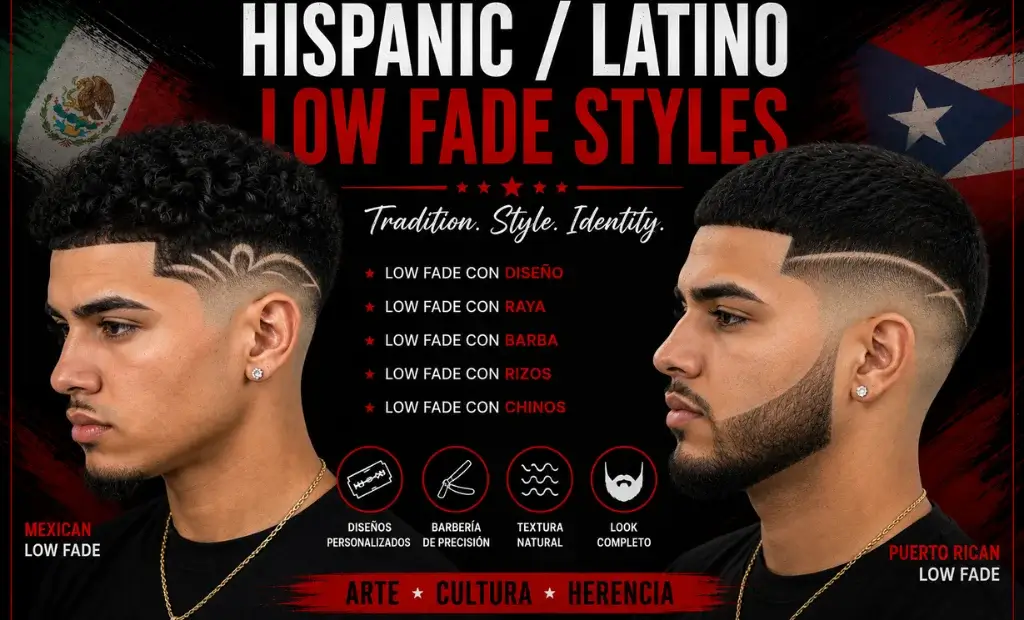
Low Fade for Latino Men’s Hairstyle
This haircut is widely popular across Latino communities, where clean, sharp barbering is highly valued. Edgar cuts, high-contrast skin fades, and stylized tops are common combinations. Latino barbers have also contributed significantly to the innovation of fade techniques globally.
Best Low Fade Haircuts for Different Face Shapes
These haircuts depend on your face shape, whether oval, round, square, heart, or diamond. It enhances your features and creates a more balanced, flattering appearance.
Its subtle side transition pairs well with many top styles. Choosing the right variation improves proportions and highlights your best facial features.
Low Fade Oval Face
Oval faces are the most balanced face shape, which means almost anything works. For oval faces, focus more on what you want for the top; the fade will complement it naturally.
Low Fade Round Face
Round faces benefit from height at the top, which the low fade supports beautifully. Adding a pompadour, high-volume quiff, or faux hawk above a low fade elongates the face and creates a more angular appearance.
Low Fade Square Face
Square faces have strong jawlines and wide foreheads. This haircut with a softer, more textured top balances the sharpness of the jaw without fighting it.
Best Fade Style for a Triangle Face
A triangle or pear-shaped face has a wider jaw and narrower forehead. Adding volume at the top with a low fade on the sides draws attention upward and balances the proportions.
Low Fade Heart-Shaped Face
Heart-shaped faces are wider at the forehead and narrower at the chin. This haircut with moderate volume on top, not too high, works well, as it keeps the profile proportionate and balanced.
How to Ask Your Barber for a Low Fade
Getting the perfect low fade starts with clear communication. Tell your barber that you want the fade to begin just above the ears and gradually blend down toward the neckline while keeping a clean, natural transition.
It’s also helpful to describe the hairstyle you want on top and how much length you’d like to keep on the sides. Bringing a reference photo can make it easier for your barber to understand your preferred low fade variation and overall look.
What Guard Size for Low Fade Haircut?
The guard size for this haircut depends on how short you want the sides. A number 1 or number 2 guard is typical for the lowest part of the fade, with higher guards (3, 4, and 5) used as the hair transitions upward.
Tell your barber specifically: I’d like a low fade starting just above the ear, blending up into a [insert desired top length]. The more specific you are, the better the result.
Adding a Low Fade Line Up
A lineup is a clean, sharp edge at the hairline, forehead, temples, and sideburns. It dramatically sharpens the overall look of a low fade. Ask your barber to “square off” or “line up” the edges if this is the finish you want.
Adding a Beard Fade
If you have a beard, ask specifically for the beard to be faded into the haircut. This means the hair at the sideburn gradually transitions into the beard, rather than having an abrupt stop. It’s a small but hugely impactful detail.
Common Mistakes to Avoid When Styling this haircut
The biggest mistake is using too much product and overdoing the style. A low fade looks best when the top has some natural movement, not plastered flat with excess pomade.
Another common error is waiting too long between visits. A grown-out fade looks unintentional. Stick to your trim schedule.
Guard Sizes Explained for Low Fade Haircut
Guard sizes determine how short or long the hair remains during this haircut. Barbers use different clipper guards to create a smooth transition, with smaller guard numbers producing a shorter cut and larger numbers leaving more length.
Understanding guard sizes can help you communicate your preferences more accurately. Knowing whether you want a skin fade, a tight fade, or a softer blend makes it easier to achieve the exact low fade look you’re aiming for.
Clipper Guards: Do You Need Them for This Haircut?
This haircut typically uses three to four guard sizes to create the gradient. The smallest guard (1 or 0.5) is used at the very base near the skin, with progressively larger guards moving up the head.
7 Guard: Long Buzz Cut Blend
A number 7 guard leaves about 7/8 of an inch of hair, a relatively long buzz. It’s often used at the transition zone between the fade and the longer top section.
8 Guard: Subtle Taper Blend
A number 8 guard leaves about 1 inch of hair. This is a long guard typically used at the uppermost part of a subtle, low taper fade where you want the blend to be minimal and conservative.
1 Guard: Just Above the Skin
A number 1 guard leaves approximately 1/8 of an inch of hair. It’s one of the shortest non-skin settings and is commonly used just above the skin at the beginning of the fade.
2 Guard: The Most Popular Starting Point
The number 2 guard leaves about 1/4 inch of hair. It’s one of the most popular starting points for a low fade because it creates visible texture without being too skin-close.
16 Guard: Long-Top Transition
This is a specialty guard used for longer top sections during transition blending. It’s less commonly referenced for fades but is used in some styling contexts for long-top looks.
10 Guard: Longer Midsection Blend
A number 10 guard is used in some fade techniques to create a longer midsection in the gradient. It leaves around 1.25 inches of hair.
12 Guard: Subtle, Long Fade
Similar to the number 10, the number 12 is used for upper transition zones in fades. It leaves approximately 1.5 inches and is used when you want a very subtle, long fade.
3 Guard: Clean Middle-Zone Length
The number 3 guard leaves about 3/8 of an inch of hair. It’s a very common guard for the middle zone of a low fade, creating a clean but visible presence at the sides without being too close.
Frequently Asked Questions
Low fade haircuts often come with questions about maintenance, styling, and how they differ from other fade types. Understanding these details helps you choose a style that fits your look, lifestyle, and grooming needs.
The FAQs below address common concerns about low fades, including barber terminology, upkeep, and choosing the right variation. These answers help you make a more informed decision before your next haircut.
Q.1. What is a Low Fade Haircut?
A low fade haircut gradually tapers the hair from just above the ears toward the neckline, creating a clean, blended look. It’s one of the most versatile and popular modern haircut styles.
Q.2. How to Cut a Low Fade Haircut?
A barber creates a low fade by using larger clipper guards at the top and smaller guards lower down, blending each section smoothly. This technique produces the clean gradient that defines the fade.
Q.3. Who Made the Low Taper Fade Meme?
The “low taper fade” became a viral meme in 2023–2024 through barbershop humor on social media platforms. It poked fun at overly specific haircut requests and was popularized by multiple creators rather than one individual.
Q. 4. What is Low Taper Fade Slang?
In barbering, a low taper fade is a specific haircut request combining a low fade with a tapered finish. Online, the phrase became a meme used to joke about overly complicated or confusing haircut requests.
Q.5. How to Low Fade Black Hair?
For natural Black hair, a barber usually starts the fade just above the ear and blends upward with longer guards. Crisp fade lines and proper moisturizing help maintain a sharp look and support healthy hair and scalp.
Q.6. What Are the Most Popular Low Fade Styles in 2026?
Popular low fade styles include the textured crop, modern mullet, comma hair, burst fade, and waves. Korean-inspired cuts like the two-block and fohawk are also trending.
Q.7. What Questions Should I Ask Before Getting a Low Fade?
Before your haircut, decide how short you want the sides, the level of contrast, and your preferred neckline shape. If possible, bring a reference photo, as it helps your barber achieve the exact look you want.
Q.8. Is a Low Fade Suitable for All Hair Types?
Yes. A low fade works with straight, wavy, curly, coiled, thick, thin, and fine hair. With the right styling approach, it can also complement receding hairlines and various face shapes.
Final Thoughts on Low Fade Haircuts
The low fade remains one of the most versatile and universally flattering haircuts for men, working well with different hair types, face shapes, and lifestyles. With a skilled barber, clear communication, and regular maintenance, this timeless style can enhance your appearance and keep you looking sharp for any occasion.